
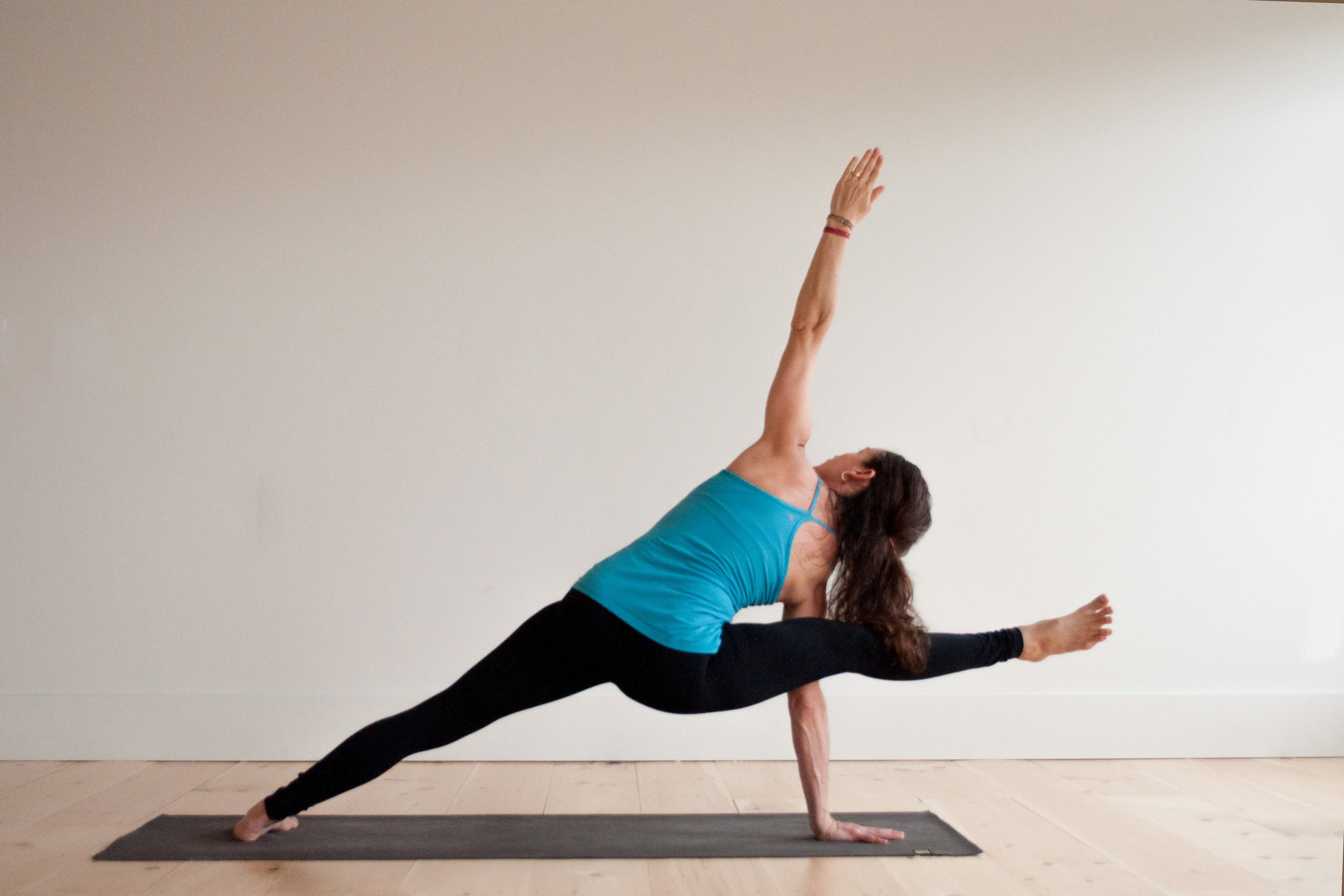
In today’s fast-paced world, achieving balance and peace can often seem like an elusive goal. However, Ashtanga Yoga offers a powerful way to connect your body, mind, and spirit in a holistic and transformative manner. This ancient system of yoga combines physical postures, breathing techniques, and mental discipline, providing a comprehensive approach to overall wellness.
What is Ashtanga Yoga?
Ashtanga Yoga is a style rooted in the teachings of Sage Patanjali and the Yoga Sutras. These eight guiding principles act as a roadmap for attaining both physical health and spiritual enlightenment.
The Eight Limbs of Ashtanga Yoga are:
- Yama (Moral Disciplines): Ethical practices that shape our interactions with others, including non-violence, truthfulness, and non-possessiveness.
- Niyama (Personal Observances): Principles that guide our treatment of ourselves, encompassing practices like cleanliness, contentment, and self-study.
- Asana (Physical Postures): The poses of Ashtanga Yoga that strengthen and stretch the body, laying the groundwork for mental clarity.
- Pranayama (Breath Control): Techniques for regulating and harmonizing the breath, believed to boost energy levels.
- Pratyahara (Withdrawal of the Senses): Encourages inward focus to minimize distractions and enhance concentration.
- Dharana (Concentration): Developing the ability to focus on a single point, which sharpens mental clarity.
- Dhyana (Meditation): The practice of sustained concentration that fosters mindfulness and self-awareness.
- Samadhi (Blissful Union): The ultimate aim of yoga—reaching a state of enlightenment and unity with the universe.

The Ashtanga Yoga Practice: A Dynamic Flow
Ashtanga Yoga is characterized by a dynamic sequence of movements called Vinyasa, where each movement is linked to the breath. Unlike other yoga styles that emphasize holding poses for longer durations, Ashtanga features a continuous flow of asanas executed at a consistent, intentional pace. This approach not only enhances strength and flexibility but also elevates the body’s internal heat.
Ashtanga’s Six Series:
- Intermediate Series: Renowned for its cleansing effects on the nervous system.
- Advanced Series: A demanding series designed for those who have successfully completed the first two, concentrating on strength and flexibility.
Benefits of Ashtanga Yoga
Physical Benefits
- Increased Flexibility: Regularly practicing Ashtanga Yoga helps stretch and lengthen muscles, leading to improved overall flexibility. This practice is perfect for anyone looking to enhance their mobility.
- Improved Muscle Strength and Endurance: The challenging poses in Ashtanga require the use of various muscle groups, which contributes to building both strength and endurance over time.
- Detoxification: The continuous flow of movement combined with controlled breathing encourages the body’s natural detoxification process, effectively flushing out toxins.
- Posture Enhancement: Ashtanga Yoga places a strong emphasis on alignment and body awareness, which aids in correcting posture and alleviating back pain.
Mental and Emotional Benefits
- Stress Relief and Relaxation: The rhythmic movements combined with controlled breathing soothe the nervous system, alleviating anxiety and fostering a sense of relaxation.
- Increased Focus: This practice sharpens concentration and mental clarity, making it easier to remain present both on and off the mat.
- Emotional Balance: Through meditation and mindfulness, Ashtanga aids in regulating emotions, resulting in enhanced emotional stability.
Spiritual Benefits
- Heightened Self-Awareness: Ashtanga Yoga encourages profound self-reflection, allowing practitioners to connect with their true selves.
- Inner Peace: With consistent practice, individuals frequently find a sense of inner calm and balance, regardless of outside influences.
Getting Started with Ashtanga Yoga: A Practical Guide for Beginners
Starting Ashtanga Yoga can feel daunting because of its intensity, but with the right mindset, it can be a deeply fulfilling experience. Follow these straightforward steps to embark on your Ashtanga Yoga journey with confidence:
1. Start with the Basics
Begin with the Primary Series, which is crafted to establish a solid foundation. Take your time to master the postures and concentrate on your breathing—there’s no need to rush.
2. Practice Consistently
To achieve the best results, practice Ashtanga Yoga regularly. Aim for a daily routine, even if it’s just for 20–30 minutes. Consistency is essential for making progress.
3. Find a Teacher
While online resources can be beneficial, working with a knowledgeable teacher can help ensure that you’re executing the poses correctly and safely.
4. Embrace Patience
Ashtanga is not a competition. Each practitioner moves forward at their own pace.
Common Myths About Ashtanga Yoga
- It’s Only for Advanced Yogis: Many people think that Ashtanga Yoga is too challenging for beginners, but it can actually be adapted for practitioners at any level.
- It’s Just for Flexibility: Although flexibility does improve, the main focus of Ashtanga Yoga is on building strength, endurance, concentration, and mental clarity.
- You Have to Do It Every Day: While practicing daily is beneficial, it’s perfectly fine to start with a few sessions each week and gradually increase as you become more comfortable with the practice.
Is Ashtanga Yoga Right for You?
If you seek a yoga practice that is both challenging and rewarding, one that strengthens your body, calms your mind, and enhances your spiritual awareness, Ashtanga Yoga might be just what you need. It provides a holistic approach to well-being that extends beyond mere physical fitness.
Ashtanga Yoga is more than just executing poses—it’s a transformative journey. Begin with small steps, remain dedicated, and witness the profound changes it can bring to your life.
Conclusion
With regular practice, you can see significant improvements in your physical health, mental focus, and emotional well-being. Embrace the discipline of Ashtanga, and allow it to lead you to a healthier, more balanced life.
