
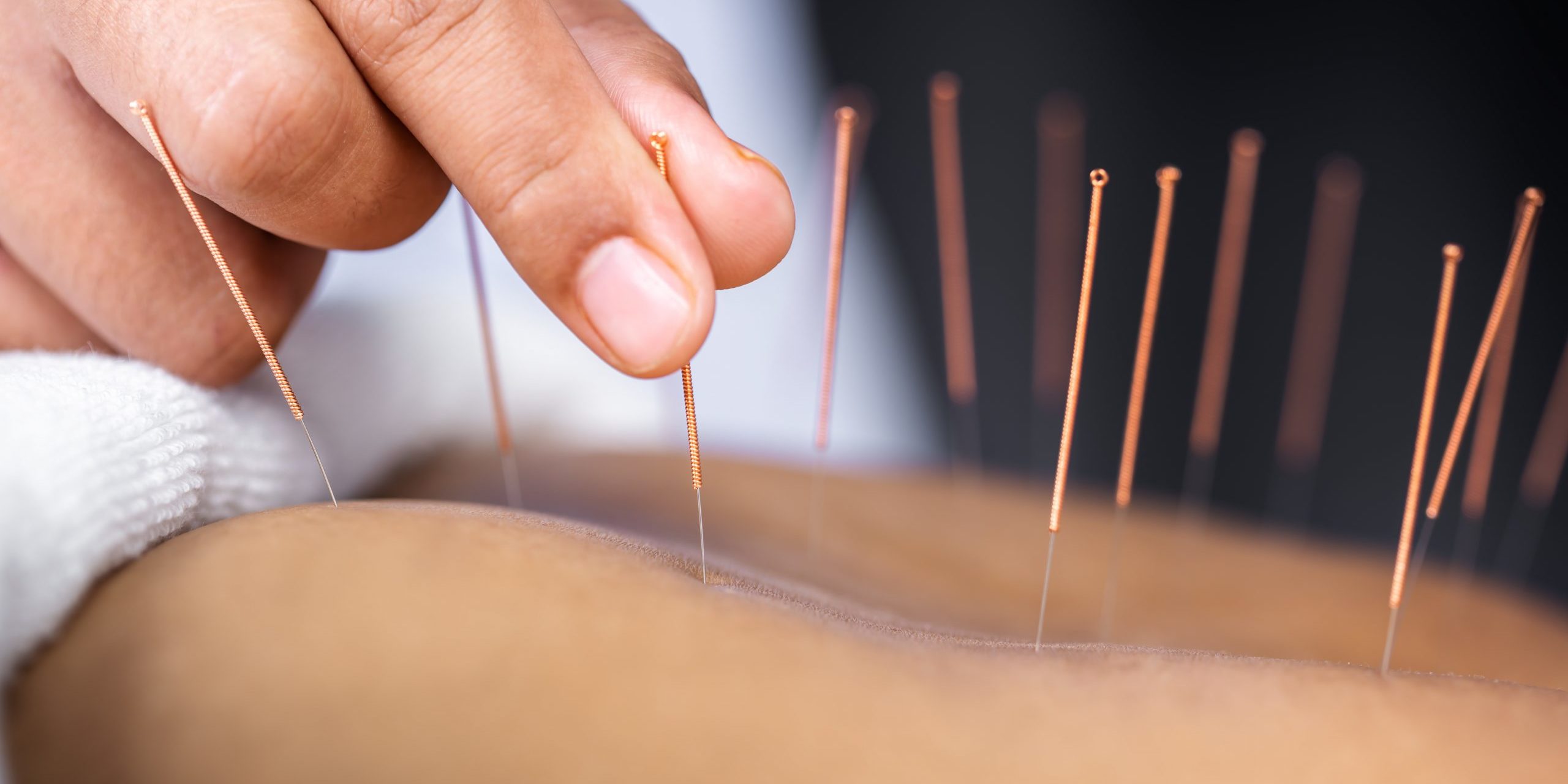
Acupuncture therapy, an ancient practice originating from traditional Chinese medicine (TCM), has gained widespread recognition for its ability to alleviate pain, reduce stress, and promote overall well-being. While the idea of using needles for healing may seem unconventional to some, acupuncture has stood the test of time, evolving into a widely accepted complementary therapy in modern medicine. But how does it actually work? What’s the science behind this age-old practice?
This article delves into the fascinating world of acupuncture therapy, exploring its mechanisms, benefits, and the scientific principles that underpin its effectiveness.
What Is Acupuncture Therapy?
Acupuncture therapy involves inserting thin, sterile needles into specific points on the body, known as acupuncture points or acupoints. These points are believed to lie along pathways called meridians, which, according to TCM, channel the body’s vital energy or “Qi” (pronounced “chee”).
The primary goal of acupuncture is to restore balance to the flow of Qi, which is thought to govern physical and emotional health. When Qi is blocked or disrupted, it can lead to various ailments and discomforts. Acupuncture aims to remove these blockages, promoting healing and harmony within the body.
How Does Acupuncture Work?
In traditional Chinese medicine, the explanation revolves around the balance of Yin and Yang and the free flow of Qi through the meridians. However, modern scientific research has uncovered physiological mechanisms that provide a more concrete understanding of how acupuncture works.
1. Nerve Stimulation
When an acupuncture needle is inserted into the skin, it stimulates nerve endings, sending signals to the brain and spinal cord. This triggers the release of neurotransmitters such as endorphins and serotonin, which are natural painkillers and mood enhancers.
2. Improved Blood Flow
Acupuncture promotes local blood circulation around the needle insertion points. Increased blood flow helps deliver oxygen and nutrients to tissues while removing waste products, accelerating the body’s natural healing process.
3. Activation of the Nervous System
Research suggests that acupuncture stimulates the parasympathetic nervous system, which governs the body’s “rest and digest” response. This leads to reduced stress levels, improved digestion, and enhanced relaxation.
4. Regulation of Hormonal Activity
Acupuncture can influence the release of hormones such as cortisol, which is associated with stress. By modulating hormonal activity, acupuncture helps reduce chronic stress and improve overall hormonal balance.
5. Gate Control Theory
This theory posits that the brain has a “gate” mechanism that regulates pain perception. Acupuncture may close this gate, preventing pain signals from reaching the brain and reducing the sensation of pain.
The Benefits of Acupuncture Therapy
Acupuncture therapy offers a wide range of benefits for physical and mental health. Here are some of the most notable:
1. Pain Relief
Acupuncture is widely recognized for its effectiveness in alleviating chronic pain conditions, including:
- Lower back pain
- Neck pain
- Osteoarthritis
- Migraines and headaches
- Menstrual cramps
2. Stress and Anxiety Reduction
By stimulating the release of calming neurotransmitters, acupuncture helps reduce stress and anxiety. It is also effective in improving sleep quality, making it a natural remedy for insomnia.
3. Improved Digestion
Acupuncture can support digestive health by regulating gut motility and reducing symptoms of conditions such as irritable bowel syndrome (IBS) and acid reflux.
4. Enhanced Immune Function
Regular acupuncture sessions may strengthen the immune system, helping the body fight off infections and illnesses more effectively.
5. Support for Women’s Health
Acupuncture is often used to address menstrual irregularities, fertility issues, and menopausal symptoms.
6. Post-Surgery and Cancer Care
Acupuncture is increasingly being integrated into postoperative recovery plans and cancer treatment programs to manage pain, nausea, and fatigue.
What to Expect During an Acupuncture Session
If you’re new to acupuncture therapy, you might be curious about what happens during a session:
- Consultation: Your practitioner will begin by discussing your health concerns, medical history, and treatment goals.
- Assessment: They may examine your pulse, tongue, or other physical markers to determine your body’s energy flow.
- Needle Insertion: Thin, sterile needles are inserted into specific points on your body. You might feel a slight tingling or pressure but rarely pain.
- Relaxation Period: Once the needles are in place, you’ll typically rest for 20-30 minutes in a calm, soothing environment.
- Removal: The needles are removed, and you may feel relaxed and rejuvenated.
Is Acupuncture Therapy Safe?
Acupuncture is considered safe when performed by a licensed and trained practitioner. The needles used are single-use and sterile, minimizing the risk of infection. However, it’s essential to consult your healthcare provider before starting acupuncture, especially if you have certain medical conditions or are pregnant.
Conclusion
Acupuncture therapy is more than just an ancient art; it’s a scientifically backed practice that offers numerous health benefits. By understanding the science behind the needles, we can appreciate how acupuncture stimulates the body’s natural healing mechanisms, relieving pain, reducing stress, and enhancing overall well-being.
Whether you’re seeking relief from chronic pain, looking to improve your mental health, or simply curious about alternative therapies, acupuncture therapy is a holistic and effective option worth exploring. With its proven track record and growing acceptance in modern medicine, acupuncture continues to bridge the gap between tradition and science, offering a path to balanced and healthier living.
